
- Johnny, Alt & Alt
- July 9, 2026
How Much Does Picket Fence Installation Cost in Stow, OH?
Picket fence installation Stow OH homeowners schedule with Alt & Alt typically runs $2,200–$7,500 for a standard front-yard run, depending on material, length, and gate count. That range covers all three materials we install in Stow and across Summit County — wood, vinyl, and aluminum. Each one handles Ohio’s climate differently and carries a different long-term maintenance commitment.
By Johnny , Founder & Owner · Alt & Alt, LLC · Last updated 9th July 2026
How Much Does a Picket Fence Cost in Northeast Ohio?
How much a picket fence costs in the Stow and Summit County market depends on material choice and project scope. Here’s what Stow homeowners actually pay in 2026:
Wood picket fence (cedar or pressure-treated pine):
- $20–$35 per linear foot installed
- Typical front-yard run of 100–140 linear feet: $2,000–$4,900
- Cedar costs slightly more than PT pine upfront but resists rot better naturally — a meaningful difference in Northeast Ohio’s wet springs
- You’ll need to paint or stain it before or shortly after installation, then every 3–5 years after
Vinyl picket fence:
- $28–$45 per linear foot installed
- Typical front-yard run: $2,800–$6,300
- No painting, staining, or sealing — ever
- The higher upfront cost typically pays back within 8–10 years in avoided maintenance labor
Aluminum picket fence:
- $35–$55 per linear foot installed
- Typical front-yard run: $3,500–$7,700
- The factory applies a permanent powder-coated finish — no rusting, no repainting
- It’s the white picket fence Akron OH and Summit County homeowners associate with classic curb appeal, and aluminum achieves that look with the lowest long-term maintenance of any picket option
Gate additions:
- Single walk gate: $250–$600 depending on material and hardware
- Double drive gate: $600–$1,800
Alt & Alt provides free on-site estimates with itemized materials and labor — no verbal-only quotes and no surprise line items after work begins. So call (330) 999-2669 to schedule.
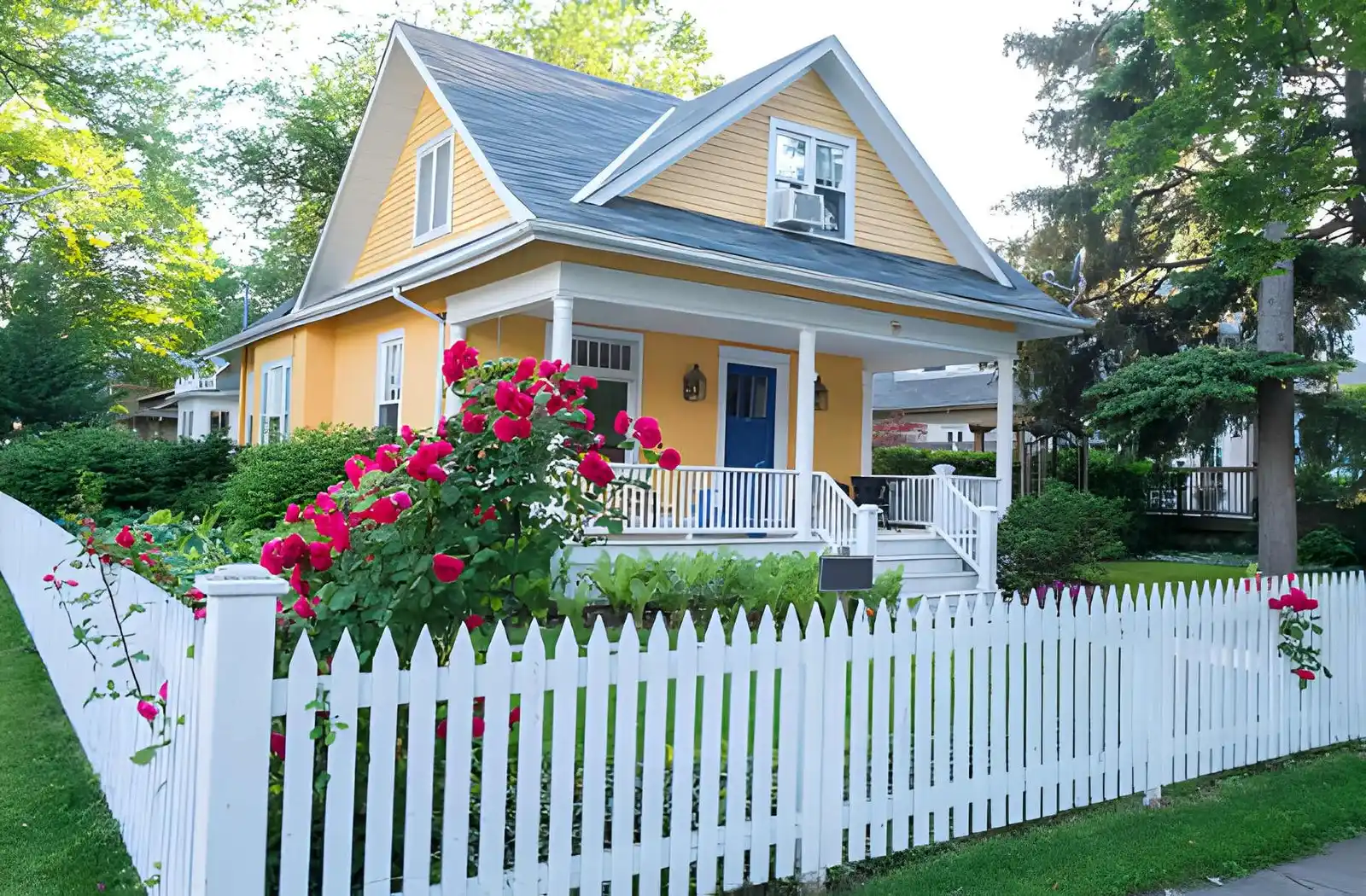
How Long Does a Wood Picket Fence Last in Ohio?
How long a wood picket fence lasts is the question that most often decides which material a Stow homeowner chooses. The honest Ohio-specific answer is shorter than most national guides suggest.
Cedar picket fence: 15–20 years with proper maintenance. Cedar’s natural oils resist moisture absorption and fungal rot, which helps in Ohio’s wet springs and humid summers. If you stain or seal cedar pickets every 2–3 years, they regularly reach 20 years before replacement. Without maintenance, though, they show softening and post decay in 8–12 years — and Summit County’s clay-heavy soil at the post base speeds that up.
Pressure-treated pine picket fence: 15–20 years with maintenance. Manufacturers chemically treat PT pine to resist rot and insects. Still, Ohio’s 38-inch annual rainfall and repeated freeze-thaw cycles mean PT pine pickets need inspection and paint or sealant every 3–5 years. The posts at ground contact fail first.
The Summit County soil factor: Heavy clay soil in Stow holds moisture at the ground-contact zone, which speeds decay at the post base. So Alt & Alt sets posts in concrete with proper drainage, extending post life compared to direct burial in clay.
Vinyl picket fences in Ohio last 20–30 years with minimal maintenance, and aluminum picket fences last 30–50 years. When wood picket fence contractors Northeast Ohio work in Summit County, the honest material comparison favors low-maintenance options over a 15-year window. That said, wood remains the right call for homeowners who want natural character and will maintain it consistently.
Is a Picket Fence Worth It?
Whether a picket fence is worth it depends on what you’re trying to accomplish. In Stow’s residential landscape, the answer is usually yes.
Curb appeal and property value: A well-maintained picket fence is one of the most effective curb-appeal upgrades for a front yard. In Stow’s established neighborhoods — ranches and colonials along the Graham Road corridor, homes in the Silver Lake-adjacent eastern sections, subdivisions near Fishcreek Road — a clean white or natural-wood picket signals property care that benefits resale value. In fact, the National Association of Realtors identifies fencing as one of the exterior improvements that most appeals to buyers.
Functional uses in Stow front yards: A 3–4-foot picket defines property lines without blocking sightlines, keeps young children and pets from reaching the street, and discourages foot traffic across front-yard landscaping.
Front yard legality in Stow: Stow’s zoning code requires fences within 20 feet of the public right-of-way to be see-through. A standard picket meets that by design, and the rule rules out solid privacy fences entirely in many front-yard positions. So for homeowners who want a front-yard fence at all, picket (or a similar open style) is often the only permitted option. The top rated picket fence companies in the Akron area will give you the same assessment: a picket fence on the right property delivers consistent value.
Which Picket Fence Material Is Best for Ohio Homes?
Which picket fence material is best for Ohio homes depends on your maintenance tolerance and how long you plan to stay in the home.
Choose wood if: You value natural character, don’t mind painting or staining every 3–5 years, and want the lowest upfront cost. Cedar is the better Ohio choice over pressure-treated pine, because its natural rot resistance softens the consequences of a skipped maintenance cycle. The vinyl picket fence Summit County market has grown, but wood still suits homeowners who’ll maintain it.
Choose vinyl if: You want zero exterior maintenance. Quality vinyl picket handles Ohio’s freeze-thaw cycling without cracking, doesn’t absorb moisture, and never needs painting. The mid-range cost premium over wood disappears over 10–15 years in avoided maintenance labor.
Choose aluminum if: You want permanent performance and classic looks. The factory powder-coats aluminum picket, so the finish doesn’t peel, chip, or rust. It’s the default recommendation from the best picket fence installers near Stow OH when a homeowner wants a fence they never have to think about again.
Practical guidance: For a front-yard Stow picket you plan to own 10+ years, vinyl or aluminum will cost less in total than wood once you factor in maintenance. For a homeowner who values wood’s character and budgets for upkeep, cedar picket remains an excellent choice. Alt & Alt installs all three and doesn’t steer toward any particular material.
Stow OH Picket Fence Permits and Zoning Rules
Do you need a permit for a picket fence in Stow, OH? Yes. The City of Stow requires both a zoning permit and a building permit for any fence installation, regardless of material, height, or placement. So Alt & Alt handles both submissions for every Stow fence project.
Stow zoning rules specific to picket fences:
- Front yard maximum height: 4 feet. Standard picket fences (3–4 feet) comply.
- Within 20 feet of the right-of-way: the fence must be see-through. Picket fences meet this by design; solid privacy panels in this zone don’t — which makes picket the natural and often the only permitted front-yard choice.
- HOA communities in Stow: the HOA architectural review committee must approve before the city permit. Many Stow HOAs specify white vinyl or aluminum picket for front yards and limit wood to painted or stained styles matching community standards.
- Ohio 811: Call 1-800-362-2764 before any digging. Post holes reach 36–40 inches for Summit County’s frost line — exactly where underground utilities run. No exceptions.
Stow permit guidance is at stowohio.gov. Alt & Alt handles both submissions and schedules the required inspections.
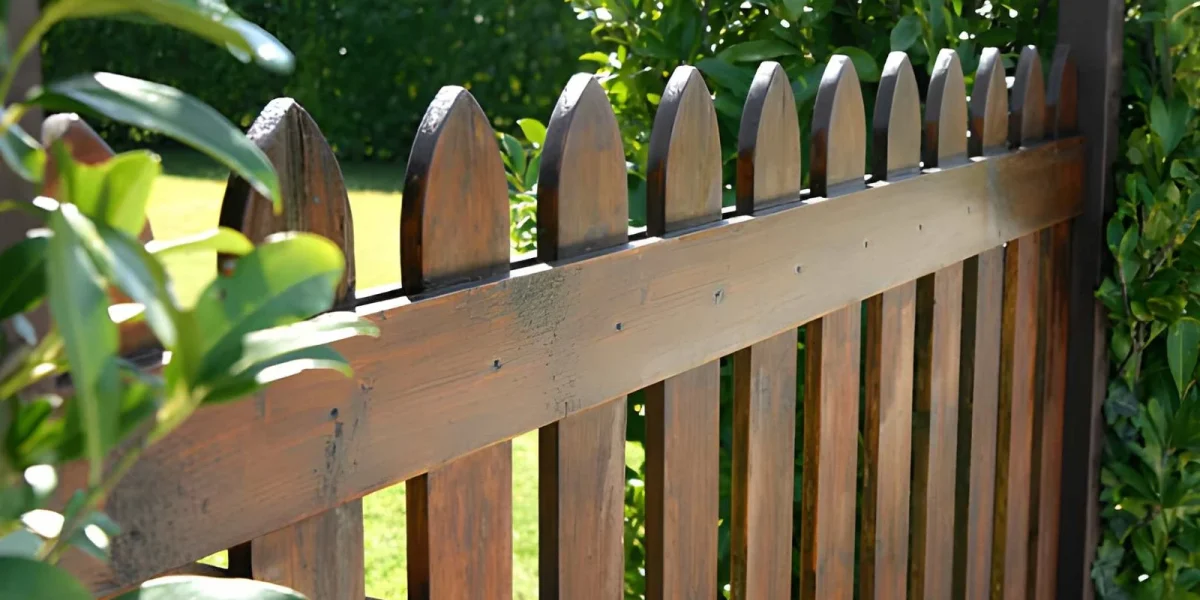
Do Picket Fences Need to Be Sealed or Painted in Ohio?
Whether a picket fence needs sealing or painting depends on the material:
Wood picket: Yes — and it’s not optional in Ohio’s climate. Northeast Ohio averages 38 inches of annual rainfall, wet springs, and moisture-saturated soil at the post base. So unpainted or unsealed wood pickets start absorbing moisture and showing decay within 3–5 years. For cedar, a semi-transparent penetrating stain is the most common choice — it preserves the wood grain while providing moisture protection and lasts 2–3 years per application. For pressure-treated pine, exterior latex paint or solid deck stain lasts 4–6 years between coats on vertical surfaces. Apply the first coat within 6–12 months of installation on PT pine.
Vinyl picket: No maintenance required. Quality vinyl doesn’t need painting, sealing, or staining. An annual rinse removes dirt and mildew. Professional-grade vinyl with proper wall thickness and UV stabilizers handles Ohio’s freeze-thaw cycles well — unlike contractor-grade material, which turns brittle in sub-zero temperatures.
Aluminum picket: No painting or sealing required. Alt & Alt recommends an annual rinse near roadways to clear road salt before it dulls the powder coat over multiple freeze cycles.
Frequently Asked Questions
1. How tall is a standard picket fence?
Standard residential picket fences run 3 feet or 4 feet tall. The 3-foot height is common for decorative front-yard fences and garden borders. The 4-foot height provides slightly more boundary definition and is the maximum Stow’s front-yard zoning code permits. Taller picket styles (5 or 6 feet) work in rear yards, but most people consider them semi-privacy designs rather than traditional picket. Alt & Alt installs both standard heights and custom picket profiles on request.
2. Do picket fences need to be sealed in Ohio?
Wood picket fences need sealing or painting, and the choice between stain and paint depends on the wood type and your preferred look. Cedar accepts penetrating stain well, so treat it every 2–3 years. Pressure-treated pine takes exterior paint better and can go 4–6 years between coats on vertical surfaces. Vinyl and aluminum picket fences need no sealing, painting, or staining.
3. How often does a picket fence need to be painted?
A wood picket fence in Ohio’s climate needs repainting or restaining every 3–6 years depending on sun exposure, wood type, and the quality of the original application. South-facing pickets in direct sun degrade faster than shaded sections. A well-applied exterior latex paint on pressure-treated pine lasts 5–6 years on vertical picket surfaces before it starts peeling, while penetrating stain on cedar lasts 2–3 years on exposed horizontal rails and tops.
4. Can I install a picket fence myself?
Simple single-run installations without gates are manageable DIY projects if you have the right equipment and don’t mind digging post holes to 36–40 inches for Summit County’s frost line. A few challenges are specific to Stow, though. Heavy clay soil makes digging much harder than sandy or loamy soil. Post holes need concrete for long-term stability in Ohio’s wet conditions. And you still have to obtain a zoning permit and building permit before any digging begins — the same requirements apply to homeowner-installed fences. Alt & Alt handles permit submissions and utility locates as part of professional installation, whereas DIY installers handle those directly.
5. Do I need a permit for a picket fence in Stow, OH?
Yes — Stow requires both a zoning permit and a building permit for any fence installation, regardless of material or height. HOA communities also require architectural committee approval before city permit submission. So Alt & Alt handles all permit work and utility location calls (Ohio 811) for every Stow fence project. For current permit requirements, the City of Stow maintains fence-specific guidance at stowohio.gov.
Alt & Alt, LLC — Picket Fence Installation in Stow, OH
Alt & Alt, LLC Serving Stow, Cuyahoga Falls, and all of Summit County Phone: (330) 999-2669 Email: altandaltllc88@gmail.com A+ BBB Rated · Licensed & Insured · 20+ Years in Northeast Ohio
Serving Stow, Silver Lake, Cuyahoga Falls, Tallmadge, Fairlawn, Hudson, Akron, and communities throughout Summit County.