- Johnny, Alt & Alt
- May 20, 2026
How Long Do Different Types of Fencing Last?
By Johnny, Founder & Owner · Last updated July 2026
How long does a fence last in Northeast Ohio? A fence can last about 10 to 30 years or more, depending on the material, installation quality, drainage, maintenance, and exposure to snow, rain, wind, and freeze-thaw cycles. Wood fences usually need the most care, while vinyl, metal, and composite fences often last longer with less routine maintenance.
In Northeast Ohio, fence lifespan is not just about material. Winter soil movement, lake-effect snow, spring storms, and wet yards can all shorten a fence’s life — especially when posts sit shallow, boards stay damp, or hardware goes ignored.
What Is the Average Fence Lifespan By Type?
Fence lifespan by type depends on material, installation, upkeep, and Northeast Ohio weather exposure. Wood fences often last around 10 to 20 years, vinyl fences can last 20 to 30 years or more, and metal fences can last several decades when protected from rust.
Here is a simple lifespan guide:
- Wood Fence: 10 to 20 years with regular sealing and repairs
- Vinyl Fence: 20 to 30 years or more with basic cleaning
- Chain Link Fence: 15 to 30 years with rust prevention
- Wrought Iron Fence: Several decades with coating and rust control
- Aluminum Fence: Often several decades with low rust risk
- Composite Fence: 20 to 30 years or more, depending on quality
Better Homes & Gardens notes that fence material choice affects durability, maintenance, and long-term performance. Wood needs more upkeep, while vinyl resists weather, pests, and rot better than natural wood.
How Long Does A Wood Fence Last in Northeast Ohio?
A wood fence in Northeast Ohio often lasts 10 to 20 years when a crew installs it correctly and the owner maintains it regularly. Because wood is vulnerable to moisture, snow, insects, and freeze-thaw movement, it needs sealing, staining, and quick repairs to stay strong.
Wood fence lifespan depends on:
- Lumber type
- Post depth
- Drainage around posts
- Staining or sealing schedule
- Soil contact
- Snow buildup
- Board replacement
- Gate support
- Exposure to shade and moisture
Wood fencing works well for privacy and curb appeal, especially around the colonial, cape cod, ranch, and split-level homes common across the Akron-Cleveland corridor. However, untreated or poorly maintained wood can rot, warp, crack, or lean faster in Northeast Ohio’s wet climate.
How Long Does A Vinyl Fence Last in Northeast Ohio?
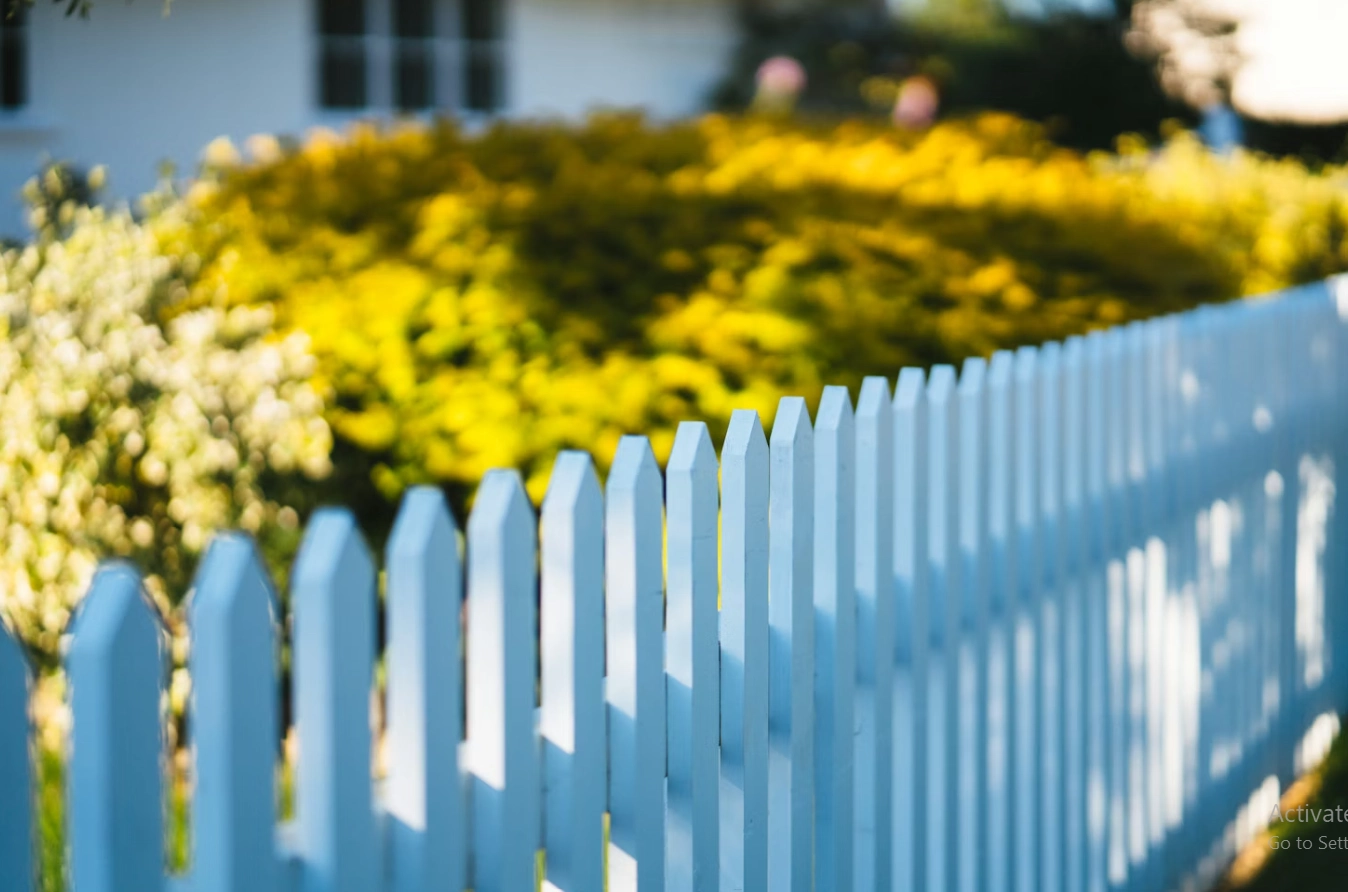
A vinyl fence in Northeast Ohio can last 20 to 30 years or more when a crew uses quality panels, strong posts, and proper installation. Vinyl resists rot, insects, and moisture, which makes it a practical option for homeowners who want less maintenance.
Vinyl fence benefits include:
- No staining
- No painting
- Strong moisture resistance
- Easy cleaning
- Good privacy panel options
- Lower routine maintenance than wood
- Resistance to rot and insect damage
Vinyl fencing still needs proper post installation. Northeast Ohio’s freeze-thaw cycles can move weak posts when water collects around the base. Because a vinyl privacy fence also catches wind, the posts and gates need correct support.
How Long Does A Chain Link Fence Last?
A chain link fence can last 15 to 30 years when the metal carries a coating, the posts stay stable, and you control rust. Homeowners often choose chain link for pets, boundaries, and security because it is practical and usually less expensive than solid privacy fencing.
A chain link fence may last longer when homeowners:
- Choose galvanized or coated metal
- Keep vines from weighing down the fence
- Repair bent sections quickly
- Watch for rust near the bottom rail
- Keep soil and mulch away from posts
- Tighten loose tension wire
- Inspect gates after storms
Chain link does not provide much privacy on its own. Some homeowners add slats for screening, though slats can increase wind resistance during Northeast Ohio storm season.
How Long Does A Metal Fence Last?
A metal fence can last several decades when it resists corrosion and sits on stable posts. Aluminum often resists rust better than iron, while wrought iron can last a long time with regular painting, coating, and repair.
Metal fence maintenance may include:
- Checking for rust
- Repainting worn areas
- Tightening loose hardware
- Cleaning dirt and salt residue
- Inspecting welds or joints
- Repairing bent pickets
- Keeping drainage away from posts
Metal fencing works well for decorative boundaries, front yards, and security. It is not usually the best option for full privacy unless you pair it with landscaping or screening.
How Long Does A Composite Fence Last?
A composite fence can last 20 to 30 years or more, depending on product quality, installation, and weather exposure. Manufacturers often make composite fencing from wood fibers and plastic materials, giving homeowners privacy with less maintenance than natural wood.
Composite fencing can be a good fit for homeowners who want:
- Strong privacy
- Better moisture resistance than wood
- A modern appearance
- Less staining or sealing
- Long-term durability
- A heavier, more solid fence style
Composite fencing usually costs more upfront than basic wood. However, it may save maintenance time because it does not need the same sealing schedule as traditional lumber.
What Shortens Fence Lifespan in Northeast Ohio?
Northeast Ohio’s climate can shorten fence lifespan when posts, panels, and hardware lack proper installation or upkeep. Lake-effect snow, winter freeze-thaw cycles, wet spring soil, and strong winds all put pressure on fencing systems.
Common causes of early fence failure include:
- Shallow fence posts
- Poor drainage near posts
- Untreated wood
- Rust on metal fencing
- Loose gate hinges
- Heavy plant growth
- Snow piled against panels
- Storm-damaged sections
- Soil touching wood boards
- Lack of sealing or staining
- Poor-quality fasteners
- Delayed repairs
The Great Lakes Integrated Sciences and Assessments program explains that lake-effect snow is a major winter feature in the Great Lakes region, especially near Lake Erie. This weather pattern increases snow and moisture exposure for many Northeast Ohio homes.
The licensed fencing contractor Northeast Ohio homeowners trust should understand how local weather affects posts, gates, panels, and long-term fence stability.
What Fence Maintenance Tips Help Fences Last Longer?
The best fence maintenance tips for Northeast Ohio focus on moisture control, post stability, cleaning, sealing, hardware checks, and fast repairs. A fence lasts longer when homeowners inspect it after winter and before heavy fall weather returns.
Useful fence maintenance tips include:
- Inspect the fence every spring and fall
- Clean vinyl and metal panels as needed
- Seal or stain wood fencing regularly
- Keep soil away from wood boards
- Remove vines and heavy plant growth
- Tighten loose gate hinges
- Replace cracked wood boards quickly
- Treat rust before it spreads
- Keep mulch away from posts
- Remove snow piles near fence panels
- Check posts after freeze-thaw cycles
- Repair storm damage quickly
Wood needs the most regular care. Vinyl needs less upkeep, though you should still clean it and check for loose gates or shifting posts.
When Should A Fence Be Repaired Instead of Replaced?
Repair the fence when the damage stays limited to a few boards, panels, posts, or gate parts. Replace it when leaning, rot, rust, or structural damage appears across several sections.
Repair may be enough when:
- One or two boards are cracked
- A gate needs adjustment
- One post is loose
- A small section took storm damage
- Hardware has rusted but the frame stays stable
- A vinyl panel is damaged but the posts hold
Replacement may be better when:
- Multiple posts are leaning
- Wood is rotting across many sections
- Gates no longer close
- Metal has rusted heavily
- Panels have warped or broken throughout
- Repair costs approach replacement cost
- The fence no longer meets privacy or security needs
The licensed fencing contractor Northeast Ohio homeowners rely on can inspect the fence and explain whether repair or replacement is more cost-effective.
Do Northeast Ohio Homeowners Need Permits for Fence Replacement?
Fence permit rules in Northeast Ohio vary by city, township, fence height, yard location, and property type. Ohio lets local governments adopt and enforce residential building rules, so homeowners should confirm local fence requirements before they replace or install a fence.
Before replacing a fence, check:
- Fence height limits
- Front-yard fence rules
- Side-yard fence rules
- Rear-yard fence rules
- Corner-lot visibility rules
- Easements
- HOA rules
- Historic district requirements
- Utility marking needs
- Property line location
The Ohio Department of Commerce provides information on Ohio residential building code administration and local code enforcement.
A fence replacement may still need review when the new fence changes height, location, or material. Homeowners should confirm local requirements before they order materials.
How Can A Licensed Fencing Contractor Northeast Ohio Help?
A licensed fencing contractor Northeast Ohio homeowners can call will evaluate fence condition, compare materials, confirm layout needs, and recommend maintenance or replacement options. Local experience matters because Northeast Ohio weather can damage fences faster when homeowners overlook drainage, post depth, or material choice.
A qualified contractor should explain:
- How long a fence lasts by material
- Which materials fit the yard
- Whether repair or replacement makes sense
- How a crew should set posts
- How the gates should be supported
- What maintenance each fence type needs
- Whether permits or zoning rules may apply
- How Ohio weather affects lifespan
Alt & Alt is a family-owned Northeast Ohio business with 20+ years of experience, a 5-star Google rating, and A+ accreditation with the Better Business Bureau. The BBB lists Alt & Alt, LLC as an accredited business with an A+ rating.
Frequently Asked Questions
1. How Long Does A Fence Last on Average?
How long does a fence last on average? A fence often lasts 10 to 30 years or more, depending on material, installation quality, maintenance, and Northeast Ohio weather exposure. Wood usually needs the most upkeep, while vinyl, composite, chain link, and metal fencing can last longer with proper care.
2. What Fence Type Lasts the Longest?
Metal, vinyl, and composite fences often last the longest with proper installation and maintenance. Wrought iron can last for decades when you control rust, vinyl resists rot and moisture, and composite handles moisture better than natural wood. Lifespan still depends on post stability, drainage, and care.
3. How Often Should I Maintain a Fence?
Homeowners in Northeast Ohio should inspect and maintain a fence at least twice per year, usually in spring and fall. Spring inspections catch winter damage, while fall inspections prepare posts, panels, gates, and hardware for snow, ice, and freeze-thaw soil movement.
4. Does Weather Affect Fence Lifespan?
Yes, Northeast Ohio weather directly affects fence lifespan. Lake-effect snow, spring rain, freeze-thaw cycles, summer humidity, and strong winds can loosen posts, rot wood, rust metal, and strain gates. Proper installation and regular maintenance help reduce weather-related damage.
5. When Should I Call a Licensed Fencing Contractor Northeast Ohio?
Call a licensed fencing contractor Northeast Ohio when a fence leans, posts move, gates drag, boards rot, panels crack, or storm damage spreads across several sections. A contractor can inspect the fence and explain whether repair, replacement, or maintenance is the better option.
Get a Free Fence Estimate From Alt & Alt
Alt & Alt helps Northeast Ohio homeowners inspect aging fences, compare material lifespans, and choose repair or replacement options that fit local weather conditions. Call Alt & Alt at (330) 999-2669 to request a free estimate and learn whether your fence needs maintenance, repair, or replacement.
With 20+ years of hands-on experience, A+ BBB accreditation, and a 5-star Google rating, Alt & Alt helps homeowners protect privacy, curb appeal, and long-term fence durability.