- Johnny, Alt & Alt
- May 13, 2026
Which Material Makes the Best Privacy Fence?
The best privacy fence material for Ohio homes is usually vinyl or wood, depending on the homeowner’s budget, style preference, and maintenance expectations. Vinyl is often the better choice for low maintenance and moisture resistance, while wood is a strong option for homeowners who want a classic, natural look.
In Ohio, privacy fences must handle freeze-thaw cycles, heavy rain, snow, wind, and seasonal temperature swings. That makes material quality, post depth, and professional installation just as important as the fence style itself.
Key Takeaways
- Vinyl is the best low-maintenance privacy fence material.
- Wood offers a classic look and strong backyard privacy.
- Composite fencing gives privacy with better moisture resistance.
- Metal fences work better for security than full privacy.
- Ohio weather makes proper installation extremely important.
What Is the Best Fence For Privacy in Ohio?
The Best Fence For Privacy in Ohio is usually a solid vinyl or wood fence because both materials block views better than chain link, aluminum, or wrought iron. Vinyl works well for homeowners who want less upkeep, while wood works well for homeowners who prefer a traditional backyard look.
For Ohio homes, a strong privacy fence should handle:
- Snow and ice
- Heavy spring rain
- Freeze-thaw soil movement
- High winds
- Humidity
- Seasonal temperature swings
A privacy fence should also be tall enough, tightly built, and installed with strong posts. Even the best material can fail early if the posts shift during Ohio’s winter freeze-thaw cycles.
Which Fence Material Gives the Most Privacy?
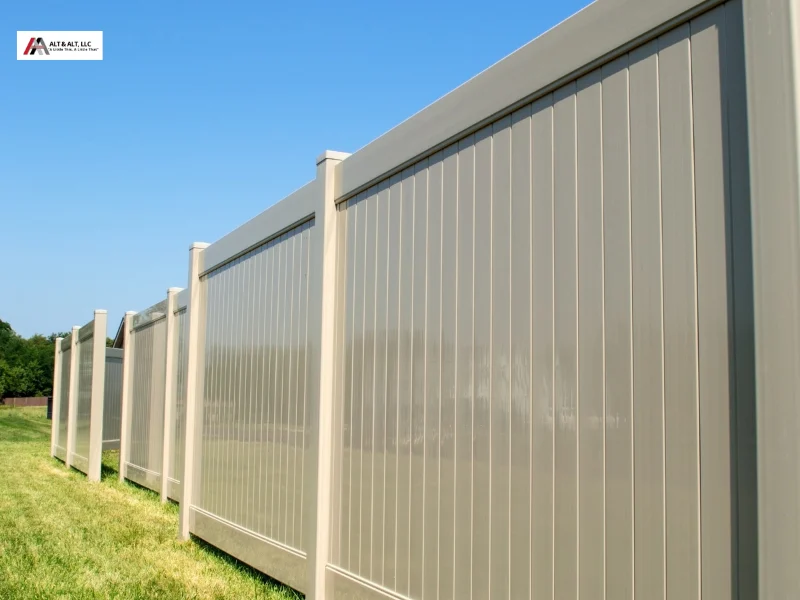
Solid vinyl, wood, and composite fences provide the most privacy because they use full panels or closely spaced boards. These materials create a visual barrier around the yard, which makes them better for backyards, patios, pools, pets, and family spaces.
Here is a simple Fence Types Comparison:
Vinyl Privacy Fence
- Offers full privacy with solid panels
- Does not need painting or staining
- Resists moisture and rot
- Has a clean, modern appearance
- Usually costs more upfront than wood
Wood Privacy Fence
- Offers strong privacy coverage
- Has a natural, classic look
- Can be stained or painted
- Works well with many Ohio home styles
- Needs sealing, staining, or repairs over time
Composite Privacy Fence
- Offers strong privacy and durability
- Resists moisture better than traditional wood
- Has a modern appearance
- Usually costs more than basic wood
- Requires less upkeep than natural wood
Chain Link Fence
- Provides little privacy by itself
- Costs less than many fence types
- Works well for pets and basic boundaries
- Can use privacy slats
- Is not the best option for full backyard privacy
Metal or Wrought Iron Fence
- Works well for security and curb appeal
- Has an open design
- Does not block backyard views
- Can be paired with landscaping
- Is not ideal for full privacy
For most Ohio homeowners, vinyl and wood are the top choices when privacy is the main goal.
Wood Vs Vinyl Fence: Which Is Better?
In a Wood Vs Vinyl Fence comparison, vinyl is usually better for low maintenance, while wood is usually better for a natural look and lower upfront cost. Both can work well in Ohio when installed correctly.
Choose Wood If You Want:
- A warm, traditional appearance
- A lower starting cost
- Custom stain or paint options
- Flexible design choices
- A natural backyard feel
- A fence that matches older Ohio homes
Choose Vinyl If You Want:
- Less maintenance
- No staining or painting
- Better moisture resistance
- A cleaner modern look
- Solid privacy panels
- Long-term convenience
Wood fences can look beautiful, but Ohio weather can be hard on exposed lumber. Rain, snow, humidity, and freeze-thaw cycles can cause boards to warp, crack, or rot if the fence is not maintained.
Vinyl fences do not rot and do not need repainting. This makes vinyl a practical option for homeowners who want privacy without frequent maintenance.
Is Vinyl the Best Privacy Fence Material?
Vinyl is often the best privacy fence material for Ohio homeowners who want a clean look, strong privacy, and low maintenance. It resists moisture, insects, and rot better than natural wood, which matters in a climate with snow, rain, and seasonal temperature swings.
Vinyl privacy fencing is a good choice for:
- Backyards
- Side yards
- Pool areas
- Pet areas
- Patio screening
- Low-maintenance homes
Vinyl also keeps a consistent appearance because it does not require painting or staining. However, quality matters. Low-grade vinyl may become brittle over time, especially in cold weather.
A professionally installed vinyl fence should include:
- Strong posts
- Proper post depth
- Secure rails
- Quality panels
- Correct spacing
- Stable gate framing
For homeowners who want less upkeep, vinyl is usually one of the most practical privacy fence options in Ohio.
Is Wood Still a Good Privacy Fence Material?
Wood is still a good privacy fence material for Ohio homeowners who want a classic look, flexible design, and strong backyard screening. It is especially popular for homes with traditional exterior styles, including ranch, colonial, cape cod, and split-level homes.
Wood privacy fencing is a good choice for:
- Natural backyard designs
- Traditional homes
- Custom fence styles
- Budget-conscious projects
- Stained or painted finishes
- Tall privacy layouts
The main drawback is maintenance. Wood may need sealing, staining, board replacement, or repairs as it ages. Ohio’s rain, snow, and freeze-thaw cycles can wear down untreated wood faster.
Wood can last longer when homeowners:
- Seal or stain it regularly
- Repair damaged boards quickly
- Keep soil away from boards
- Trim plants around the fence
- Watch for leaning posts
- Use quality lumber and fasteners
Wood is a strong privacy option when the homeowner is comfortable with long-term upkeep.
Is Composite Fencing Better Than Wood or Vinyl?
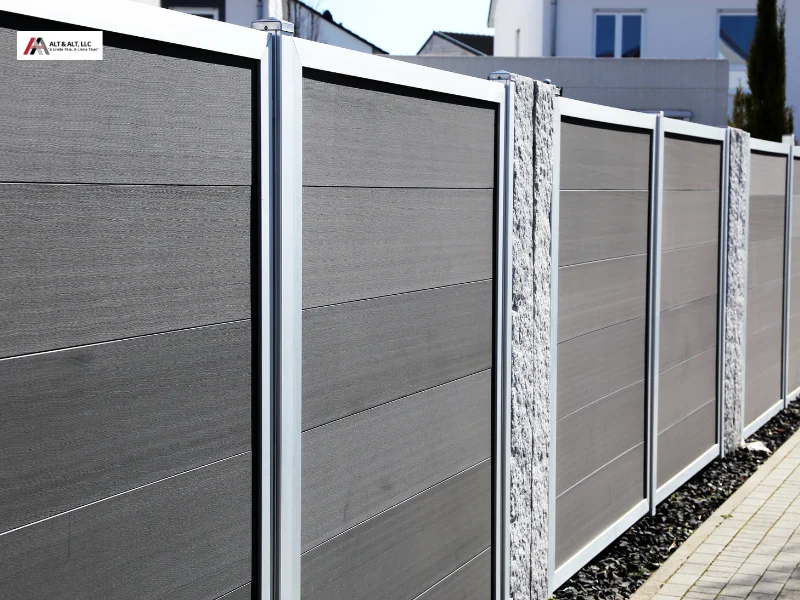
Composite fencing can be better than wood for moisture resistance and better than vinyl for a warmer, more textured appearance. It is usually a higher-cost option, but it can provide strong privacy with less maintenance than natural wood.
Composite fences often work well for homeowners who want:
- Full privacy
- A modern look
- Better resistance to moisture
- Less maintenance than wood
- A stronger appearance than basic vinyl
- Long-term durability
Composite fencing can cost more upfront, so it may not be the best choice for every budget. Still, it can be a strong option for Ohio homeowners who want privacy and do not want frequent staining or sealing.
Are Metal Fences Good for Privacy?
Metal fences are usually not the best choice for privacy because most aluminum, steel, and wrought iron fences have open pickets. They work better for security, pool areas, front yards, and decorative boundaries.
Metal fencing may be a good choice when homeowners want:
- Security
- Curb appeal
- A decorative look
- Long-term strength
- A visible property boundary
- Less visual bulk than a solid fence
Metal fences can be paired with shrubs, privacy screens, or landscaping. However, they do not block views as well as wood, vinyl, or composite privacy fencing.
For backyard privacy, metal is usually not the first choice unless the homeowner wants a decorative fence with added landscape screening.
What Should Ohio Homeowners Consider Before Choosing a Privacy Fence?
Ohio homeowners should consider privacy needs, maintenance, weather exposure, budget, local rules, and installation quality before choosing a fence material. A privacy fence is a long-term exterior investment, so the cheapest material is not always the best choice.
Before choosing a privacy fence, ask:
- How much privacy is needed?
- Is low maintenance important?
- Should the fence match the home’s exterior?
- Is the yard flat or sloped?
- Will pets or children use the yard?
- Are there HOA rules?
- Are there local fence height limits?
- Does the old fence need removal?
- How many gates are needed?
- Will the fence face strong wind?
- Which siding is best for Ohio weather?
Ohio’s climate makes installation especially important. Solid privacy panels catch more wind than open fences, so the posts must be set correctly. Poor post installation can lead to leaning, shifting, or early fence failure.
Do Ohio Homeowners Need a Permit for a Privacy Fence?
Ohio fence permit rules vary by city, township, and zoning department. Some communities may not require a building permit for certain residential fences, but zoning rules can still control fence height, location, easements, and corner-lot visibility.
Before installing a privacy fence, homeowners should check:
- Maximum fence height
- Front-yard fence rules
- Side-yard fence rules
- Rear-yard fence rules
- Corner-lot visibility rules
- Utility easements
- HOA restrictions
- Property line location
- Gate placement
A fence can look right but still violate local zoning if it is too tall or placed incorrectly. Checking local rules before installation helps avoid delays, corrections, and extra costs.
Frequently Asked Questions
1. What is the best fence material for privacy?
The best fence material for privacy is usually vinyl, wood, or composite. Vinyl is best for low maintenance, wood is best for a classic natural look, and composite is best for homeowners who want privacy with better moisture resistance than traditional wood.
2. Is vinyl or wood better for a privacy fence?
Vinyl is better for homeowners who want less maintenance, while wood is better for homeowners who want a natural look and lower upfront cost. In Ohio, vinyl often performs well because it resists moisture and does not need staining or painting.
3. What fence type lasts the longest?
Vinyl and composite fences often last longer with less maintenance than wood. Wood can also last for many years, but it needs regular care. Proper post installation, quality materials, and drainage are important for every fence type in Ohio weather.
4. What is the most affordable privacy fence?
Wood is often one of the most affordable privacy fence materials upfront. Chain link can cost less, but it does not provide full privacy unless privacy slats are added. Wood offers better visual screening than chain link and usually costs less than vinyl or composite.
5. Does a privacy fence add value to a home?
A privacy fence can add value when it improves backyard use, pet safety, security, and curb appeal. The value depends on material quality, installation, condition, and neighborhood expectations. A well-built fence usually adds more appeal than an old or poorly installed one.
ALT & ALT helps Ohio homeowners compare privacy fence materials and choose the right option for their property, budget, and long-term maintenance goals. Call ALT & ALT at (330) 999-2669 or contact us to request a free estimate for wood, vinyl, composite, or metal fencing.
With 20+ years of experience, a 5-star Google rating, and an A+ BBB accreditation, ALT & ALT can help homeowners choose a privacy fence that fits Ohio weather and everyday backyard use.