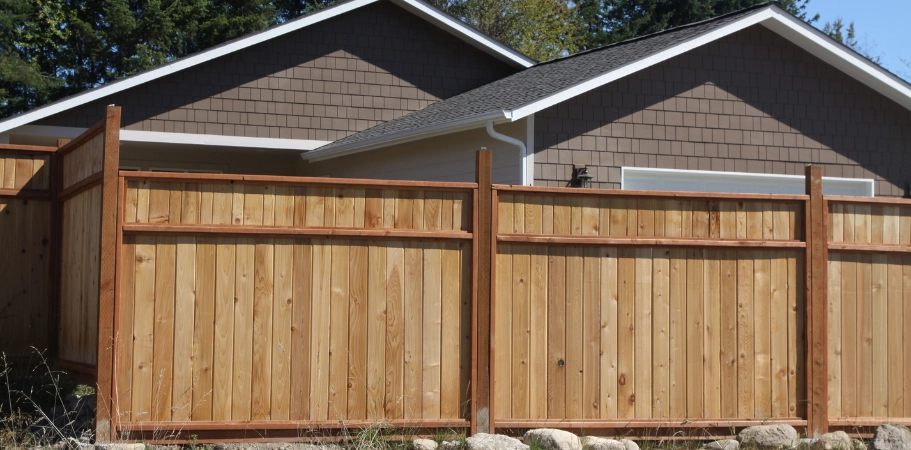
- Johnny, Alt & Alt
- May 11, 2026
How Much Does It Cost To Build a Fence in 2026?
Building a fence in Ohio in 2026 usually costs between $20 and $60 per linear foot for many professionally installed wood or vinyl fences, depending on material, height, yard layout, gates, and labor. A full residential fence project can cost more or less based on property size, removal of old fencing, soil conditions, and local permit rules.
For Ohio homeowners, the biggest cost factors are material choice, total linear footage, post depth, weather exposure, and whether the fence needs to handle privacy, pets, security, or curb appeal.
Key Takeaways
- Fence installation often costs $20 to $60 per linear foot.
- Wood and chain links are usually more budget-friendly.
- Vinyl costs more upfront but needs less maintenance.
- Ohio permit rules vary by city and fence height.
- A free estimate gives the most accurate fence cost.
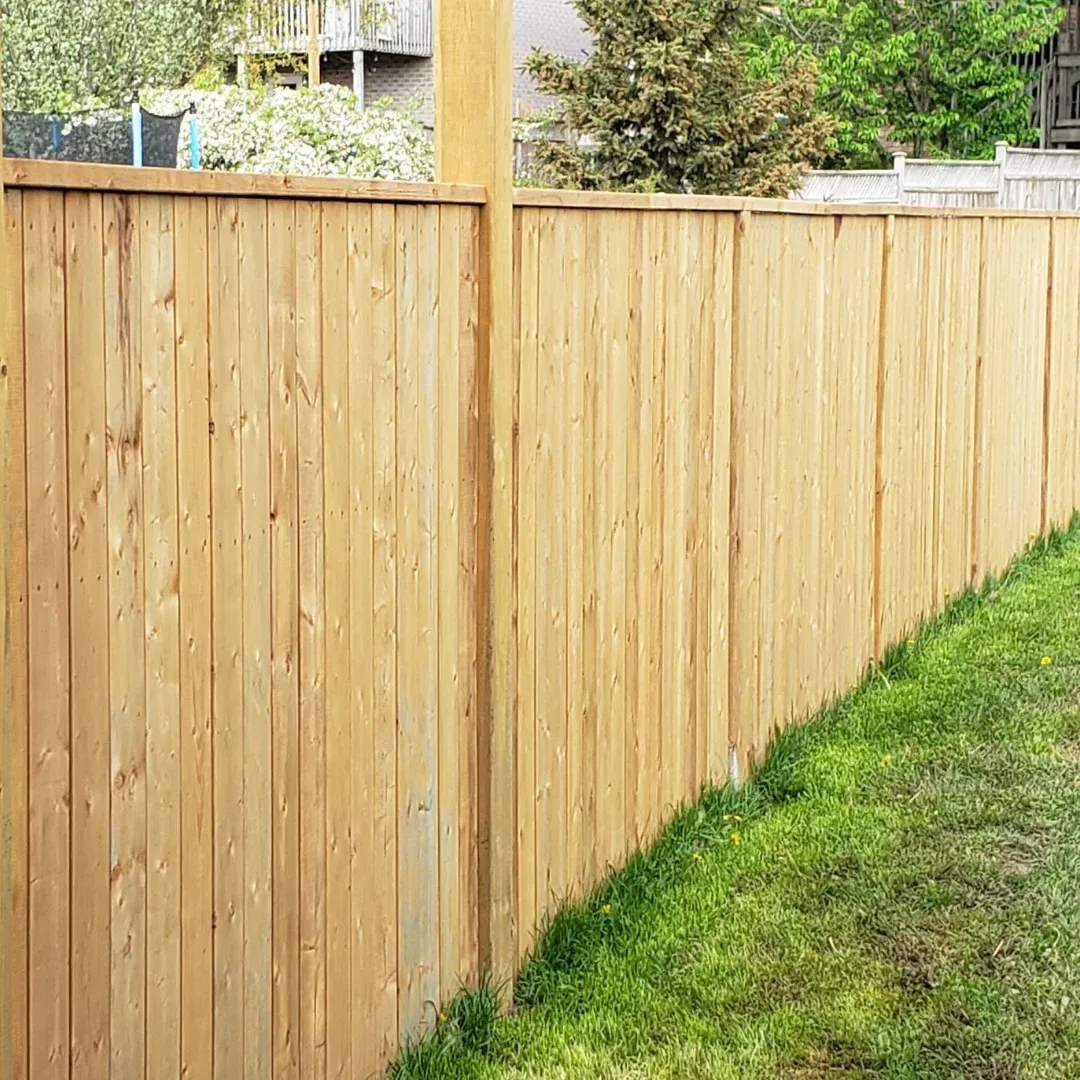
How Much Does a Fence Cost in 2026?
A fence in 2026 commonly costs $20 to $60 per linear foot for many professional wood and vinyl installations. HomeGuide also reports that new fence installation often ranges from $4,000 to $12,000 on average, depending on size, material, and project complexity.
Your final cost depends on:
- Fence material
- Fence height
- Total linear footage
- Number of gates
- Yard slope
- Soil conditions
- Old fence removal
- Permit or zoning requirements
- Labor complexity
For example, a small backyard fence will cost much less than a full privacy fence around a large property. A simple chain-link fence will also cost less than a tall vinyl privacy fence or decorative metal fence.
Ohio homeowners should treat online price ranges as planning numbers only. The most accurate price comes from a contractor measuring the property, checking access, and reviewing the fence style.
What Is the Average Fence Cost of a New Fence in Ohio?
The average fence cost Ohio depends mostly on material and property size. A basic fence may stay closer to the lower end of the national range, while a taller privacy fence with gates, removal, and grading can move toward the higher end.
Common 2026 fence pricing ranges include:
- Chain Link Fence: Usually one of the lowest-cost options
- Wood Fence: Mid-range cost with a classic residential look
- Vinyl Fence: Higher upfront cost with lower maintenance
- Metal Fence: Higher cost for decorative or security-focused projects
- Privacy Fence: Usually more expensive because of height and material quantity
Angi reports that fence installation costs can range from $6 to $50 per linear foot, with material being one of the biggest price drivers.
In Ohio, weather also matters. Freeze-thaw cycles, heavy rain, snow, and temperature swings can affect how posts are set and how long a fence lasts. A cheaper installation may cost more later if posts shift, panels lean, or drainage is ignored.
How Much Does Fence Installation Cost Per Foot?
Fence installation cost per foot in 2026 often ranges from $20 to $60 per linear foot for common residential fence projects. Some materials cost less, while premium materials, taller fences, and difficult yard layouts cost more.
The cost per foot usually includes:
- Fence panels or pickets
- Posts and rails
- Concrete or post-setting materials
- Labor
- Basic layout
- Standard installation
The cost per foot may increase when the project includes:
- Multiple gates
- Old fence demolition
- Hauling and disposal
- Rocky or clay-heavy soil
- Sloped yards
- Tree or stump removal
- Custom fence height
- Decorative finishes
A long, straight fence line is usually easier to install. A yard with curves, slopes, tight access, or many corners takes more time and labor.
Which Fence Material Costs the Most in 2026?
Metal, composite, and premium vinyl fences usually cost more than chain link or basic wood fencing. Wood is often chosen for its traditional look and moderate price, while vinyl is popular for homeowners who want less maintenance.
Here is a simple comparison:
Wood Fence
- Classic appearance
- Good for privacy
- Usually moderate in cost
- May need staining or sealing
- Can be affected by moisture and weather
Vinyl Fence
- Clean and modern appearance
- Low maintenance
- Does not need painting
- Higher upfront cost than basic wood
- Works well for privacy fencing
Chain Link Fence
- Budget-friendly
- Good for pets and basic security
- Lower privacy unless privacy slats are added
- Practical for large yards
- Less decorative than wood or vinyl
Metal Fence
- Strong and decorative
- Good for front yards and security
- Usually higher in cost
- May need protective coatings
- Does not provide full privacy unless combined with other materials
For Ohio homes, the best material is not always the cheapest one. A fence should be selected based on long-term maintenance, winter durability, privacy needs, and total property layout.

What Factors Increase the Cost to Build a Fence?
Several factors can increase the cost to build a fence in Ohio. The biggest cost drivers are usually material, fence height, total length, yard conditions, and gate design.
The price may increase if:
- The fence is taller than standard height
- The yard has a steep slope
- The soil is rocky, wet, or difficult to dig
- Old fencing needs to be removed
- The project needs several gates
- The fence line has many corners
- The property has trees, roots, or landscaping in the way
- The homeowner chooses premium materials
- Local permit or zoning review is required
Labor can also increase when the fence must be installed around patios, driveways, retaining walls, sheds, or uneven ground.
Ohio’s freeze-thaw cycle is another important factor. Fence posts must be set properly so they do not shift as the ground freezes and thaws. A low-cost installation that ignores soil movement can lead to leaning posts and early repairs.
Do You Need a Permit to Build a Fence in Ohio?
Fence permit rules in Ohio vary by city, township, and local zoning department. In many Ohio communities, fences 6 feet or shorter may not require a building permit, but zoning rules can still control placement, height, corner-lot visibility, and front-yard fencing. Columbus guidance, for example, states that fences 6 feet or less may not require a building permit, but zoning rules still regulate placement in certain situations.
Before installing a fence, homeowners should check:
- Fence height limits
- Front-yard fence rules
- Side-yard and backyard rules
- Corner-lot visibility rules
- Easements
- HOA restrictions
- Property line location
- Utility markings
- Gate placement
A permit mistake can delay the project or require changes after installation. It is always better to confirm local rules before materials are ordered.
How Can Ohio Homeowners Budget for a New Fence?
Ohio homeowners can budget for a new fence by measuring the property, choosing a material, deciding on height, and planning for gates, removal, and permit needs.
A simple budgeting process includes:
- Measure the fence line
Measure the total linear footage where the fence will be installed.
- Choose the main purpose
Decide if the fence is for privacy, pets, security, curb appeal, or property boundaries.
- Select a material
Compare wood, vinyl, chain link, and metal based on cost and maintenance.
- Count the gates
Gates add hardware, labor, and framing needs.
- Check the yard conditions
Slopes, roots, and tight access can affect pricing.
- Ask about removal
Removing and hauling away an old fence may add to the project cost.
- Request a free estimate
A contractor can provide a clearer cost after seeing the property.
For many Ohio homeowners, the best choice is not the cheapest fence. The best choice is the fence that fits the property, handles Ohio weather, and stays stable for years.
Frequently Asked Questions
1. How much does it cost to build a fence in 2026?
Building a fence in 2026 often costs between $20 and $60 per linear foot for many professional wood or vinyl installations. The final cost depends on fence material, height, total length, gates, yard slope, removal work, and local permit rules.
2. What is the cheapest fence to install?
Chain link is often one of the cheapest fences to install. It works well for pets, basic security, and large yards. However, it does not provide the same privacy as wood or vinyl unless privacy slats or landscaping are added.
3. Is vinyl fencing more expensive than wood?
Vinyl fencing usually costs more upfront than basic wood fencing. However, vinyl often needs less maintenance because it does not require staining, sealing, or repainting. Wood may cost less at installation but can need more long-term upkeep in Ohio weather.
4. How much does labor cost for fence installation?
Fence labor cost depends on yard conditions, post depth, fence material, gate count, and layout complexity. A straight fence on flat ground usually costs less to install than a privacy fence on a sloped yard with several gates and old fencing to remove.
5. Should I repair or replace my old fence?
You should repair a fence if the damage is limited to a few boards, panels, or posts. You should replace it if the fence is leaning, rotting, unstable, or damaged across several sections. A contractor can inspect the fence and explain the most cost-effective option.
Get a Free Fence Estimate From ALT & ALT
ALT & ALT helps Ohio homeowners plan fence projects with clear pricing, quality materials, and careful installation. As a family-owned home improvement contractor with 20+ years of experience, ALT&ALT understands how Ohio weather affects fence durability.
Call ALT & ALT at (330) 999-2669 or contact us to request a free fence estimate and choose the right fence for privacy, security, curb appeal, and long-term value.